Spandidos Publications Logo
  • About
    • About Spandidos
    • Aims and Scopes
    • Abstracting and Indexing
    • Editorial Policies
    • Reprints and Permissions
    • Job Opportunities
    • Terms and Conditions
    • Contact
  • Journals
    • All Journals
    • Oncology Letters
      • Oncology Letters
      • Information for Authors
      • Editorial Policies
      • Editorial Board
      • Aims and Scope
      • Abstracting and Indexing
      • Bibliographic Information
      • Archive
    • International Journal of Oncology
      • International Journal of Oncology
      • Information for Authors
      • Editorial Policies
      • Editorial Board
      • Aims and Scope
      • Abstracting and Indexing
      • Bibliographic Information
      • Archive
    • Molecular and Clinical Oncology
      • Molecular and Clinical Oncology
      • Information for Authors
      • Editorial Policies
      • Editorial Board
      • Aims and Scope
      • Abstracting and Indexing
      • Bibliographic Information
      • Archive
    • Experimental and Therapeutic Medicine
      • Experimental and Therapeutic Medicine
      • Information for Authors
      • Editorial Policies
      • Editorial Board
      • Aims and Scope
      • Abstracting and Indexing
      • Bibliographic Information
      • Archive
    • International Journal of Molecular Medicine
      • International Journal of Molecular Medicine
      • Information for Authors
      • Editorial Policies
      • Editorial Board
      • Aims and Scope
      • Abstracting and Indexing
      • Bibliographic Information
      • Archive
    • Biomedical Reports
      • Biomedical Reports
      • Information for Authors
      • Editorial Policies
      • Editorial Board
      • Aims and Scope
      • Abstracting and Indexing
      • Bibliographic Information
      • Archive
    • Oncology Reports
      • Oncology Reports
      • Information for Authors
      • Editorial Policies
      • Editorial Board
      • Aims and Scope
      • Abstracting and Indexing
      • Bibliographic Information
      • Archive
    • Molecular Medicine Reports
      • Molecular Medicine Reports
      • Information for Authors
      • Editorial Policies
      • Editorial Board
      • Aims and Scope
      • Abstracting and Indexing
      • Bibliographic Information
      • Archive
    • World Academy of Sciences Journal
      • World Academy of Sciences Journal
      • Information for Authors
      • Editorial Policies
      • Editorial Board
      • Aims and Scope
      • Abstracting and Indexing
      • Bibliographic Information
      • Archive
    • International Journal of Functional Nutrition
      • International Journal of Functional Nutrition
      • Information for Authors
      • Editorial Policies
      • Editorial Board
      • Aims and Scope
      • Abstracting and Indexing
      • Bibliographic Information
      • Archive
    • International Journal of Epigenetics
      • International Journal of Epigenetics
      • Information for Authors
      • Editorial Policies
      • Editorial Board
      • Aims and Scope
      • Abstracting and Indexing
      • Bibliographic Information
      • Archive
    • Medicine International
      • Medicine International
      • Information for Authors
      • Editorial Policies
      • Editorial Board
      • Aims and Scope
      • Abstracting and Indexing
      • Bibliographic Information
      • Archive
  • Articles
  • Information
    • Information for Authors
    • Information for Reviewers
    • Information for Librarians
    • Information for Advertisers
    • Conferences
  • Language Editing
Spandidos Publications Logo
  • About
    • About Spandidos
    • Aims and Scopes
    • Abstracting and Indexing
    • Editorial Policies
    • Reprints and Permissions
    • Job Opportunities
    • Terms and Conditions
    • Contact
  • Journals
    • All Journals
    • Biomedical Reports
      • Information for Authors
      • Editorial Policies
      • Editorial Board
      • Aims and Scope
      • Abstracting and Indexing
      • Bibliographic Information
      • Archive
    • Experimental and Therapeutic Medicine
      • Information for Authors
      • Editorial Policies
      • Editorial Board
      • Aims and Scope
      • Abstracting and Indexing
      • Bibliographic Information
      • Archive
    • International Journal of Epigenetics
      • Information for Authors
      • Editorial Policies
      • Editorial Board
      • Aims and Scope
      • Abstracting and Indexing
      • Bibliographic Information
      • Archive
    • International Journal of Functional Nutrition
      • Information for Authors
      • Editorial Policies
      • Editorial Board
      • Aims and Scope
      • Abstracting and Indexing
      • Bibliographic Information
      • Archive
    • International Journal of Molecular Medicine
      • Information for Authors
      • Editorial Policies
      • Editorial Board
      • Aims and Scope
      • Abstracting and Indexing
      • Bibliographic Information
      • Archive
    • International Journal of Oncology
      • Information for Authors
      • Editorial Policies
      • Editorial Board
      • Aims and Scope
      • Abstracting and Indexing
      • Bibliographic Information
      • Archive
    • Medicine International
      • Information for Authors
      • Editorial Policies
      • Editorial Board
      • Aims and Scope
      • Abstracting and Indexing
      • Bibliographic Information
      • Archive
    • Molecular and Clinical Oncology
      • Information for Authors
      • Editorial Policies
      • Editorial Board
      • Aims and Scope
      • Abstracting and Indexing
      • Bibliographic Information
      • Archive
    • Molecular Medicine Reports
      • Information for Authors
      • Editorial Policies
      • Editorial Board
      • Aims and Scope
      • Abstracting and Indexing
      • Bibliographic Information
      • Archive
    • Oncology Letters
      • Information for Authors
      • Editorial Policies
      • Editorial Board
      • Aims and Scope
      • Abstracting and Indexing
      • Bibliographic Information
      • Archive
    • Oncology Reports
      • Information for Authors
      • Editorial Policies
      • Editorial Board
      • Aims and Scope
      • Abstracting and Indexing
      • Bibliographic Information
      • Archive
    • World Academy of Sciences Journal
      • Information for Authors
      • Editorial Policies
      • Editorial Board
      • Aims and Scope
      • Abstracting and Indexing
      • Bibliographic Information
      • Archive
  • Articles
  • Information
    • For Authors
    • For Reviewers
    • For Librarians
    • For Advertisers
    • Conferences
  • Language Editing
Login Register Submit
  • This site uses cookies
  • You can change your cookie settings at any time by following the instructions in our Cookie Policy. To find out more, you may read our Privacy Policy.

    I agree
Search articles by DOI, keyword, author or affiliation
Search
Advanced Search
presentation
Molecular Medicine Reports
Join Editorial Board Propose a Special Issue
Print ISSN: 1791-2997 Online ISSN: 1791-3004
Journal Cover
September-2019 Volume 20 Issue 3

Full Size Image

Sign up for eToc alerts
Recommend to Library

Journals

International Journal of Molecular Medicine

International Journal of Molecular Medicine

International Journal of Molecular Medicine is an international journal devoted to molecular mechanisms of human disease.

International Journal of Oncology

International Journal of Oncology

International Journal of Oncology is an international journal devoted to oncology research and cancer treatment.

Molecular Medicine Reports

Molecular Medicine Reports

Covers molecular medicine topics such as pharmacology, pathology, genetics, neuroscience, infectious diseases, molecular cardiology, and molecular surgery.

Oncology Reports

Oncology Reports

Oncology Reports is an international journal devoted to fundamental and applied research in Oncology.

Experimental and Therapeutic Medicine

Experimental and Therapeutic Medicine

Experimental and Therapeutic Medicine is an international journal devoted to laboratory and clinical medicine.

Oncology Letters

Oncology Letters

Oncology Letters is an international journal devoted to Experimental and Clinical Oncology.

Biomedical Reports

Biomedical Reports

Explores a wide range of biological and medical fields, including pharmacology, genetics, microbiology, neuroscience, and molecular cardiology.

Molecular and Clinical Oncology

Molecular and Clinical Oncology

International journal addressing all aspects of oncology research, from tumorigenesis and oncogenes to chemotherapy and metastasis.

World Academy of Sciences Journal

World Academy of Sciences Journal

Multidisciplinary open-access journal spanning biochemistry, genetics, neuroscience, environmental health, and synthetic biology.

International Journal of Functional Nutrition

International Journal of Functional Nutrition

Open-access journal combining biochemistry, pharmacology, immunology, and genetics to advance health through functional nutrition.

International Journal of Epigenetics

International Journal of Epigenetics

Publishes open-access research on using epigenetics to advance understanding and treatment of human disease.

Medicine International

Medicine International

An International Open Access Journal Devoted to General Medicine.

Journal Cover
September-2019 Volume 20 Issue 3

Full Size Image

Sign up for eToc alerts
Recommend to Library

  • Article
  • Citations
    • Cite This Article
    • Download Citation
    • Create Citation Alert
    • Remove Citation Alert
    • Cited By
  • Similar Articles
    • Related Articles (in Spandidos Publications)
    • Similar Articles (Google Scholar)
    • Similar Articles (PubMed)
  • Download PDF
  • Download XML
  • View XML
Article Open Access

High glucose and bupivacaine‑induced cytotoxicity is mediated by enhanced apoptosis and impaired autophagy via the PERK‑ATF4‑CHOP and IRE1‑TRAF2 signaling pathways

  • Authors:
    • Yongzhe Liu
    • Li Sun
    • Yaqun Ma
    • Biyu Wei
    • Minglong Gao
    • Lixin Shang
  • View Affiliations / Copyright

    Affiliations: Department of Anesthesiology, 7th Medical Center, General Hospital of PLA, Beijing 100700, P.R. China, Department of Anesthesiology, Shanxi Medical University, Taiyuan, Shanxi 030000, P.R. China, Department of Gynecology and Obstetrics, 7th Medical Center, General Hospital of PLA, Beijing 100700, P.R. China
    Copyright: © Liu et al. This is an open access article distributed under the terms of Creative Commons Attribution License.
  • Pages: 2832-2842
    |
    Published online on: July 25, 2019
       https://doi.org/10.3892/mmr.2019.10524
  • Expand metrics +
Metrics: Total Views: 0 (Spandidos Publications: | PMC Statistics: )
Metrics: Total PDF Downloads: 0 (Spandidos Publications: | PMC Statistics: )
Cited By (CrossRef): 0 citations Loading Articles...

This article is mentioned in:


Abstract

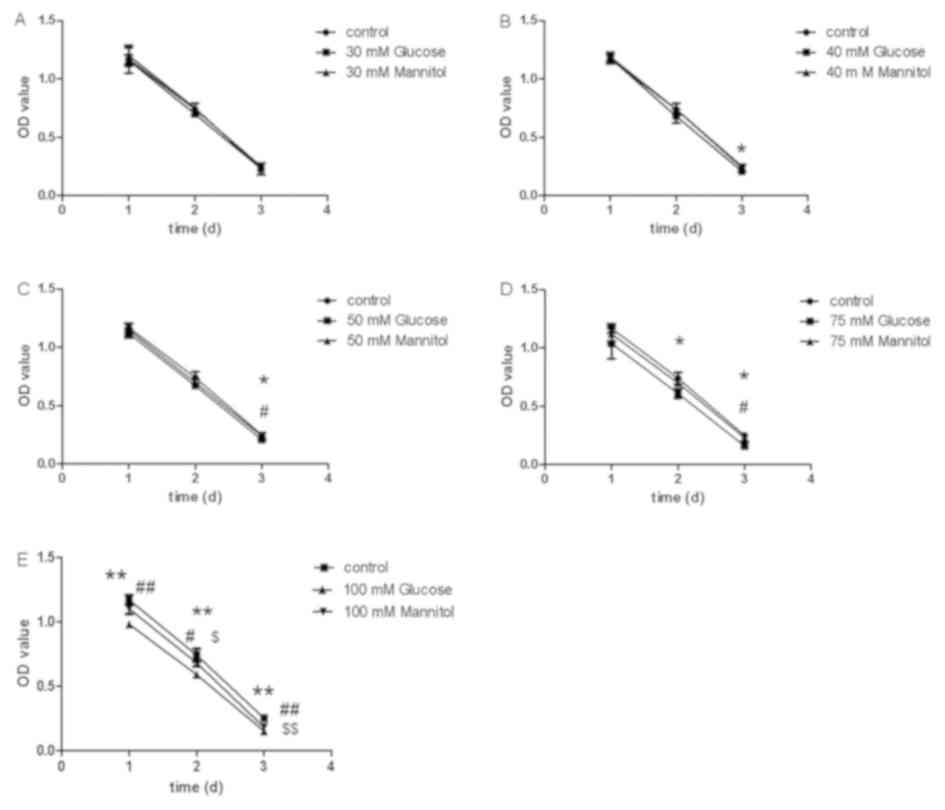
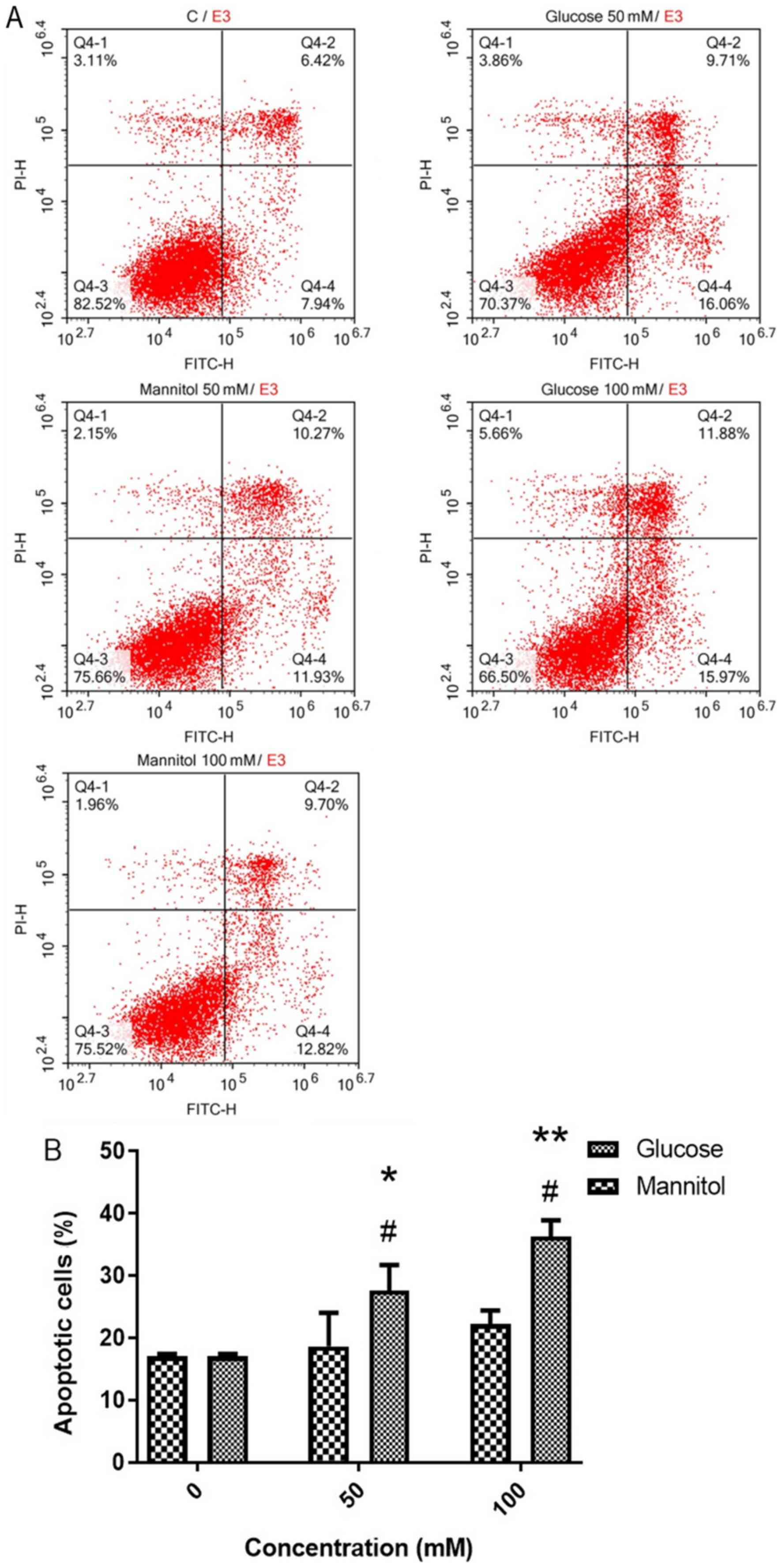
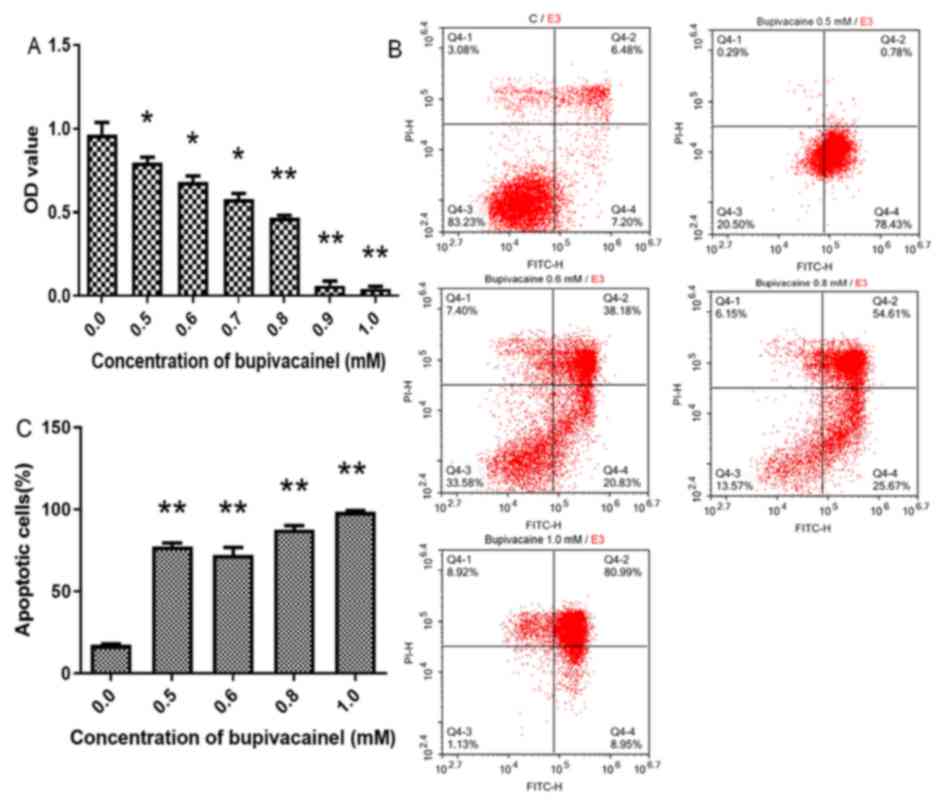
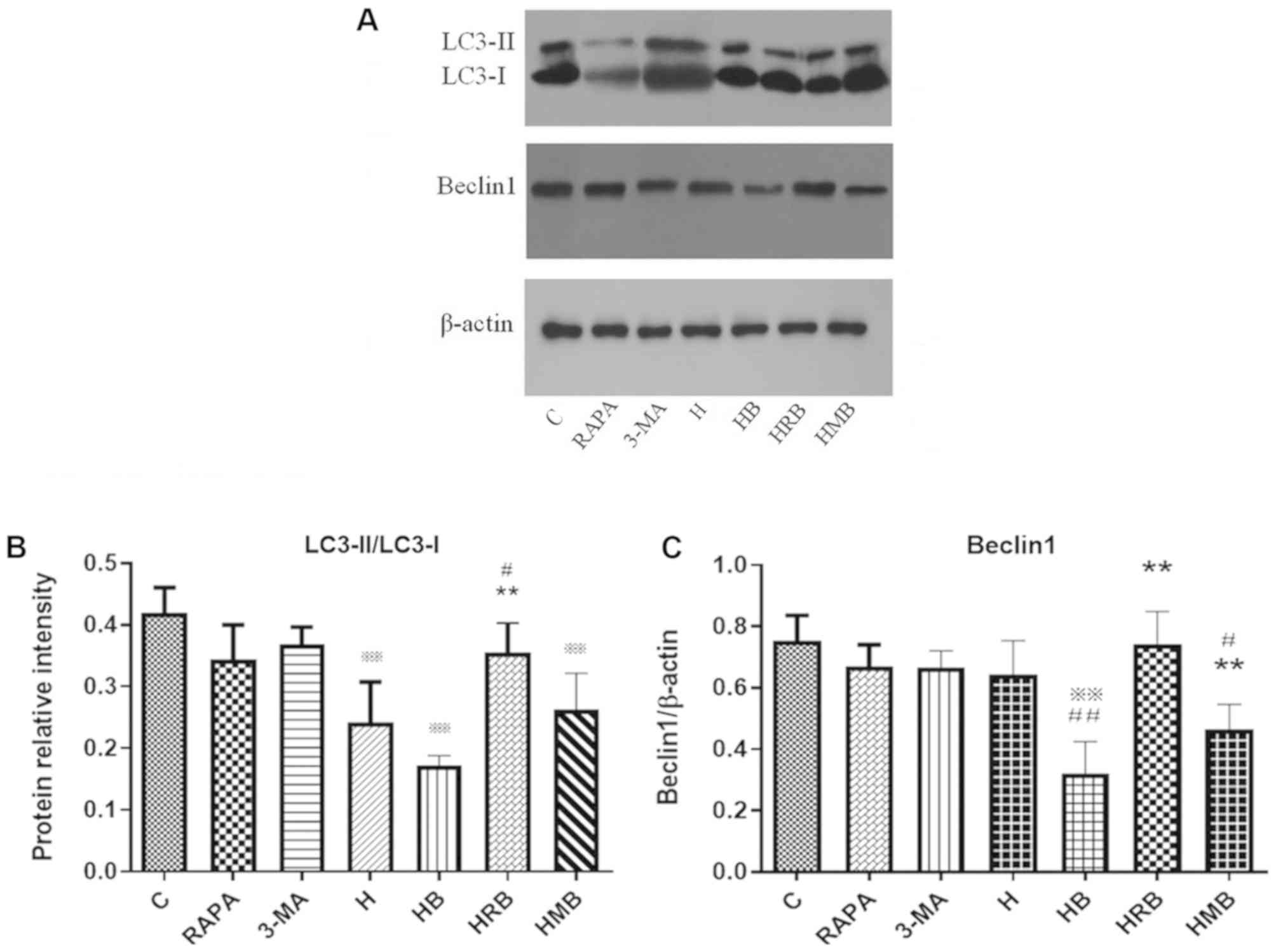
Bupivacaine has previously been reported to induce neurotoxicity, which is further enhanced by high glucose levels. In the present study, the underlying molecular mechanisms via which bupivacaine induces cytotoxicity under high glucose conditions were investigated in cultured human SH‑SY5Y cells. In order to identify the optimal concentrations of glucose and bupivacaine that induced cytotoxicity, SH‑SY5Y cells were treated with 30‑100 mM glucose and 0.5‑1.0 mM bupivacaine. Based on the dose response experiments, 50 mM glucose and 0.5 mM bupivacaine was used in the present study. The effects that 3‑MA (autophagy inhibitor) and rapamycin (RAPA; autophagy inducer) exerted on cell apoptosis, autophagy and the expression of protein kinase R‑like endoplasmic reticulum kinase (PERK)‑activating transcription factor 4 (ATF4)‑C/EBP‑homologous protein (CHOP) and inositol‑requiring enzyme 1 (IRE1)‑tumor necrosis factor receptor associated factor 2 (TRAF2) signaling proteins were measured in high glucose and bupivacaine‑treated cells. Cell viability was measured using a Cell Counting Kit‑8 assay, cell apoptosis was assessed using flow cytometry, and protein expression was determined using western blot analyses. Compared with the control group, high glucose and bupivacaine significantly increased ATF4, CHOP and caspase‑12 expression, increased apoptosis, and decreased p‑IRE1, TRAF2, LC3‑II/LC3‑I and Beclin1 expression. Promoting autophagy with RAPA partly reversed the high glucose and bupivacaine‑induced changes in p‑PERK, CHOP, TRAF2, Beclin1, caspase‑12 and apoptosis, while inhibiting autophagy with 3‑MA further enhanced the changes in ATF4, CHOP, p‑IRE1, TRAF2 and apoptosis. High glucose and bupivacaine induced cytotoxicity in SH‑SY5Y cells, at least in part, through enhancing cell apoptosis and inhibiting autophagy via the PERK‑ATF4‑CHOP and IRE1‑TRAF2 signaling pathways.
View Figures

Figure 1

Figure 2

Figure 3

Figure 4

Figure 5

Figure 6

Figure 7

View References

1 

Al-Nasser B: Toxic effects of epidural analgesia with ropivacaine 0.2% in a diabetic patient. J Clin Anesth. 16:220–223. 2004. View Article : Google Scholar : PubMed/NCBI

2 

Moen V, Dahlgren N and Irestedt L: Severe neurological complications after central neuraxial blockades in Sweden 1990–1999. Anesthesiology. 101:950–959. 2004. View Article : Google Scholar : PubMed/NCBI

3 

Capdevila X, Pirat P, Bringuier S, Gaertner E, Singelyn F, Bernard N, Choquet O, Bouaziz H and Bonnet F; French Study Group on Continuous Peripheral NerveBlocks, : Continuous peripheral nerve blocks in hospital wards after orthopedic surgery: A multicenter prospective analysis of the quality of postoperative analgesia and complications in 1,416 patients. Anesthesiology. 103:1035–1045. 2005. View Article : Google Scholar : PubMed/NCBI

4 

Lirk P, Birmingham B and Hogan Q: Regional anesthesia in patients with preexisting neuropathy. Int Anesthesiol Clin. 49:144–165. 2011. View Article : Google Scholar : PubMed/NCBI

5 

Kalichman MW and Calcutt NA: Local anesthetic-induced conduction block and nerve fiber injury in streptozotocin-diabetic rats. Anesthesiology. 77:941–947. 1992. View Article : Google Scholar : PubMed/NCBI

6 

Blumenthal S, Borgeat A, Maurer K, Beck-Schimmer B, Kliesch U, Marquardt M and Urech J: Preexisting subclinical neuropathy as a risk factor for nerve injury after continuous ropivacaine administration through a femoral nerve catheter. Anesthesiology. 105:1053–1056. 2006. View Article : Google Scholar : PubMed/NCBI

7 

Angadi DS and Garde A: Subclinical neuropathy in diabetic patients: A risk factor for bilateral lower limb neurological deficit following spinal anesthesia? J Anesth. 26:107–110. 2012. View Article : Google Scholar : PubMed/NCBI

8 

Hebl JR, Kopp SL, Schroeder DR and Horlocker TT: Neurologic complications after neuraxial anesthesia or analgesia in patients with preexisting peripheral sensorimotor neuropathy or diabetic polyneuropathy. Anesth Analg. 103:1294–1299. 2006. View Article : Google Scholar : PubMed/NCBI

9 

Vincent AM, Brownlee M and Russell JW: Oxidative stress and programmed cell death in diabetic neuropathy. Ann N Y Acad Sci. 959:368–383. 2002. View Article : Google Scholar : PubMed/NCBI

10 

Takahashi S, Izawa Y and Suzuki N: Astroglial pentose phosphate pathway rates in response to high-glucose environments. ASN Neuro. 4:e000782012. View Article : Google Scholar : PubMed/NCBI

11 

Li L, Ye XP, Lu AZ, Zhou SQ, Liu H, Liu ZJ, Jiang S and Xu SY: Hyperglycemia Magnifies Bupivacaine-Induced Cell Apoptosis Triggered by Mitochondria Dysfunction and Endoplasmic Reticulum Stress. J Neurosci Res. 91:786–798. 2013. View Article : Google Scholar : PubMed/NCBI

12 

Bursch W, Ellinger A, Kienzl H, Török L, Pandey S, Sikorska M, Walker R and Hermann RS: Active cell death induced by the anti-estrogens tamoxifen and in human mammary carcinoma cells (MCF-7) in culture: The role of autophagy. Carcinogenesis. 17:1595–1607. 1996. View Article : Google Scholar : PubMed/NCBI

13 

Pearson GL, Mellett N, Chu KY, Cantley J, Davenport A, Bourbon P, Cosner CC, Helquist P, Meikle PJ and Biden TJ: Lysosomal acid lipase and lipophagy are constitutive negative regulators of glucose-stimulated insulin secretion from pancreatic beta cells. Diabetologia. 57:129–139. 2014. View Article : Google Scholar : PubMed/NCBI

14 

Matsumoto H, Miyazaki S, Matsuyama S, Takeda M, Kawano M, Nakagawa H, Nishimura K and Matsuo S: Selection of autophagy or apoptosis in cells exposed to ER-stress depends on ATF4 expression pattern with or without CHOP expression. Biol Open. 2:1084–1090. 2013. View Article : Google Scholar : PubMed/NCBI

15 

Cebollero E, Reggiori F and Kraft C: Reticulophagy and ribophagy: regulated degradation of protein production factories. Int J Cell Biol. 2012:1828342012. View Article : Google Scholar : PubMed/NCBI

16 

Hetz C: The unfolded protein response: Controlling cell fate decisions under ER stress and beyond. Nat Rev Mol Cell Biol. 3:89–102. 2012. View Article : Google Scholar

17 

Jäger R, Bertrand MJ, Gorman AM, Vandenabeele P and Samali A: The unfolded protein response at the crossroads of cellular life and death during endoplasmic reticulum stress. Biol Cell. 104:259–270. 2012. View Article : Google Scholar : PubMed/NCBI

18 

Kouroku Y, Fujita E, Tanida I, Ueno T, Isoai A, Kumagai H, Ogawa S, Kaufman RJ, Kominami E and Momoi T: ER stress (PERK/eIF2alpha phosphorylation) mediates the polyglutamine-induced LC3 conversion, an essential step for autophagy formation. Cell Death Differ. 14:230–239. 2007. View Article : Google Scholar : PubMed/NCBI

19 

Fujita E, Kouroku Y, Isoai A, Ueno T, Isoai A, Kumagai H, Ogawa S, Kaufman RJ, Kominami E and Momoi T: Two endoplasmic reticulum-associated degradation systems (ERAD) for the novel variant of the mutant dysferlin; ubiquitin/proteasome ERAD (I) and Autophagy/Lysosome ERAD (II). Hum Mol Genet. 16:618–629. 2007. View Article : Google Scholar : PubMed/NCBI

20 

Scheuner D, Song B, McEwen E, Liu C, Laybutt R, Gillespie P, Saunders T, Bonner-Weir S and Kaufman RJ: Translational control is required for the unfolded protein response and in vivo glucose homeostasis. Mol Cell. 7:1165–1176. 2001. View Article : Google Scholar : PubMed/NCBI

21 

Harding HP, Novoa I, Zhang Y, Zeng H, Wek R, Schapira M and Ron D: Regulated translation initiation controls stress-induced gene expression in mammalian cells. Mol Cell. 6:1099–1108. 2000. View Article : Google Scholar : PubMed/NCBI

22 

Yoshida H, Matsui T, Yamamoto A, Okada T and Mori K: XBP1 mRNA is induced by ATF6 and spliced by IRE1 in response to ER stress to produce a highly active transcription factor. Cell. 107:881–891. 2001. View Article : Google Scholar : PubMed/NCBI

23 

Ron D and Hubbard SR: How IRE1 reacts to ER stress. Cell. 132:24–26. 2008. View Article : Google Scholar : PubMed/NCBI

24 

Back SH, Schroder M, Lee K, Zhang K and Kaufman RJ: ER stress signaling by regulated splicing: IRE1/HAC1/XBP1. Methods. 35:395–416. 2005. View Article : Google Scholar : PubMed/NCBI

25 

Wang M and Kaufman RJ: The impact of the endoplasmic reticulum protein-folding environment on cancer development. Nat Rev Cancer. 14:581–597. 2014. View Article : Google Scholar : PubMed/NCBI

26 

Tameire F, Verginadis II and Koumenis C: Cell intrinsic and extrinsic activators of the unfolded protein response in cancer: Mechanisms and targets for therapy. Semin Cancer Biol. 33:3–15. 2015. View Article : Google Scholar : PubMed/NCBI

27 

Oyadomari S and Mori M: Roles of CHOP/GADD153 in endoplasmic reticulum stress. Cell Death Differ. 11:381–389. 2004. View Article : Google Scholar : PubMed/NCBI

28 

Marciniak SJ, Yun CY, Oyadomari S, Novoa I, Zhang Y, Jungreis R, Nagata K, Harding HP and Ron D: CHOP induces death by promoting protein synthesis and oxidation in the stressed endoplasmic reticulum. Genes Dev. 18:3066–3077. 2004. View Article : Google Scholar : PubMed/NCBI

29 

Zinszner H, Kuroda M, Wang XZ, Batchvarova N, Lightfoot RT, Remotti H, Stevens JL and Ron D: CHOP is implicated in programmed cell death in response to impaired function of the endoplasmic reticulum. Genes Dev. 12:982–995. 1998. View Article : Google Scholar : PubMed/NCBI

30 

Davis RJ: Signal transduction by the JNK group of MAP kinases. Cell. 103:239–252. 2000. View Article : Google Scholar : PubMed/NCBI

31 

Dhanasekaran DN and Reddy EP: JNK signaling in apoptosis. Oncogene. 27:6245–6251. 2008. View Article : Google Scholar : PubMed/NCBI

32 

Hollien J, Lin JH, Li H, Stevens N, Walter P and Weissman JS: Regulated Ire1-dependent decay of messenger RNAs in mammalian cells. J Cell Biol. 186:323–331. 2009. View Article : Google Scholar : PubMed/NCBI

33 

Tay KH, Luan Q, Croft A, Jiang CC, Jin L, Zhang XD and Tseng HY: Sustained IRE1 and ATF6 signaling is important for survival of melanoma cells undergoing ER stress. Cell Signal. 26:287–294. 2014. View Article : Google Scholar : PubMed/NCBI

34 

Nakagawa T and Yuan J: Cross-talk between two cysteine protease families: Activation of Caspase12 by calpain in apoptosis. J Cell Biol. 150:887–894. 2000. View Article : Google Scholar : PubMed/NCBI

35 

Lai E, Teodoro T and Volchuk A: Endoplasmic Reticulum Stress: Signaling the Unfolded Proteinv Response. Physiology. 22:193–201. 2007. View Article : Google Scholar : PubMed/NCBI

36 

Nakagawa T, Zhu H, Morishima N, Li E, Xu J, Yankner BA and Yuan J: Caspase12 mediates endoplasmic-reticulum-specific apoptosis and cytotoxicity by amyloid-beta. Nature. 403:98–103. 2000. View Article : Google Scholar : PubMed/NCBI

37 

Rao RV, Hermel E, Castro-Obregon S, del Rio G, Ellerby LM, Ellerby HM and Bredesen DG: Coupling endoplasmic reticulum stress to the cell death program. Mechanism of Caspase activation. J Biol Chem. 276:33869–33874. 2001. View Article : Google Scholar : PubMed/NCBI

38 

Di Giulio AM, Lesma E, Germani E and Gorio A: Inhibition of high glucose-induced protein mono-ADP-ribosylation restores neuritogenesis and sodium-pump activity in SY5Y neuroblastoma cells. J Neurosci Res. 57:663–669. 1999. View Article : Google Scholar : PubMed/NCBI

39 

Walter P and Ron D: The unfolded protein response: From stress pathway to homeostatic regulation. Science. 334:1081–1086. 2011. View Article : Google Scholar : PubMed/NCBI

40 

Ogata M, Hino S, Saito A, Morikawa K, Kondo S, Kanemoto S, Murakami T, Taniguchi M, Tanii I, Yoshinaga K, et al: Autophagy is activated for cell survival after endoplasmic reticulum stress. Mol Cell Biol. 26:9220–9231. 2006. View Article : Google Scholar : PubMed/NCBI

41 

Lin JH, Li H, Yasumura D, Cohen HR, Zhang C, Panning B, Shokat KM, Lavail MM and Walter P: IRE1 signaling affects cell fate during the unfolded protein response. Science. 318:944–949. 2007. View Article : Google Scholar : PubMed/NCBI

42 

Duffy A, Le J, Sausville E and Emadi A: Autophagy modulation: A target for cancer treatment development. Cancer Chemother Pharmacol. 75:439–447. 2015. View Article : Google Scholar : PubMed/NCBI

43 

He C and Klionsky DJ: Regulation mechanisms and signaling pathways of autophagy. Annu Rev Genet. 43:67–93. 2009. View Article : Google Scholar : PubMed/NCBI

44 

Hailey DW, Rambold AS, Satpute-Krishnan P, Mitra K, Sougrat R, Kim PK and Lippincott-Schwartz J: Mitochondria supply membranes for autophagosome biogenesis during starvation. Cell. 141:656–667. 2010. View Article : Google Scholar : PubMed/NCBI

45 

Hoyer-Hansen M, Bastholm L, Szyniarowski P, Mitra K, Sougrat R, Kim PK and Lippincott-Schwartz J: Control of macro autophagy by calcium, calmodulin-dependent kinase kinase-beta, and Bcl-2. Mol Cell. 25:193–205. 2007. View Article : Google Scholar : PubMed/NCBI

46 

Taylor CW, Taufiq-Ur-Rahma n and Pantazaka E: Targeting and clustering of IP3 receptors: Key determinants of spatially organized Ca2+ signals. Chaos. 19:0371022009. View Article : Google Scholar : PubMed/NCBI

47 

Hyrskyluoto A, Reijonen S, Kivinen J, Lindholm D and Korhonen L: GADD34 mediates cytoprotective autophagy in mutant huntingtin expressing cells via the mTOR pathway. Exp Cell Res. 318:33–42. 2012. View Article : Google Scholar : PubMed/NCBI

Related Articles

  • Abstract
  • View
  • Download
  • Twitter
Copy and paste a formatted citation
Spandidos Publications style
Liu Y, Sun L, Ma Y, Wei B, Gao M and Shang L: High glucose and bupivacaine‑induced cytotoxicity is mediated by enhanced apoptosis and impaired autophagy via the PERK‑ATF4‑CHOP and IRE1‑TRAF2 signaling pathways. Mol Med Rep 20: 2832-2842, 2019.
APA
Liu, Y., Sun, L., Ma, Y., Wei, B., Gao, M., & Shang, L. (2019). High glucose and bupivacaine‑induced cytotoxicity is mediated by enhanced apoptosis and impaired autophagy via the PERK‑ATF4‑CHOP and IRE1‑TRAF2 signaling pathways. Molecular Medicine Reports, 20, 2832-2842. https://doi.org/10.3892/mmr.2019.10524
MLA
Liu, Y., Sun, L., Ma, Y., Wei, B., Gao, M., Shang, L."High glucose and bupivacaine‑induced cytotoxicity is mediated by enhanced apoptosis and impaired autophagy via the PERK‑ATF4‑CHOP and IRE1‑TRAF2 signaling pathways". Molecular Medicine Reports 20.3 (2019): 2832-2842.
Chicago
Liu, Y., Sun, L., Ma, Y., Wei, B., Gao, M., Shang, L."High glucose and bupivacaine‑induced cytotoxicity is mediated by enhanced apoptosis and impaired autophagy via the PERK‑ATF4‑CHOP and IRE1‑TRAF2 signaling pathways". Molecular Medicine Reports 20, no. 3 (2019): 2832-2842. https://doi.org/10.3892/mmr.2019.10524
Copy and paste a formatted citation
x
Spandidos Publications style
Liu Y, Sun L, Ma Y, Wei B, Gao M and Shang L: High glucose and bupivacaine‑induced cytotoxicity is mediated by enhanced apoptosis and impaired autophagy via the PERK‑ATF4‑CHOP and IRE1‑TRAF2 signaling pathways. Mol Med Rep 20: 2832-2842, 2019.
APA
Liu, Y., Sun, L., Ma, Y., Wei, B., Gao, M., & Shang, L. (2019). High glucose and bupivacaine‑induced cytotoxicity is mediated by enhanced apoptosis and impaired autophagy via the PERK‑ATF4‑CHOP and IRE1‑TRAF2 signaling pathways. Molecular Medicine Reports, 20, 2832-2842. https://doi.org/10.3892/mmr.2019.10524
MLA
Liu, Y., Sun, L., Ma, Y., Wei, B., Gao, M., Shang, L."High glucose and bupivacaine‑induced cytotoxicity is mediated by enhanced apoptosis and impaired autophagy via the PERK‑ATF4‑CHOP and IRE1‑TRAF2 signaling pathways". Molecular Medicine Reports 20.3 (2019): 2832-2842.
Chicago
Liu, Y., Sun, L., Ma, Y., Wei, B., Gao, M., Shang, L."High glucose and bupivacaine‑induced cytotoxicity is mediated by enhanced apoptosis and impaired autophagy via the PERK‑ATF4‑CHOP and IRE1‑TRAF2 signaling pathways". Molecular Medicine Reports 20, no. 3 (2019): 2832-2842. https://doi.org/10.3892/mmr.2019.10524
Follow us
  • Twitter
  • LinkedIn
  • Facebook
About
  • Spandidos Publications
  • Careers
  • Cookie Policy
  • Privacy Policy
How can we help?
  • Help
  • Live Chat
  • Contact
  • Email to our Support Team